Introduction
Women's health has been chronically underfunded and underserved for decades. A 1977 FDA guideline systematically excluded women of childbearing potential from clinical trials—a policy so broad it barred even women using contraception or whose partners had vasectomies. The resulting data gap left women without answers for conditions ranging from heart disease to hormonal disorders, creating a void that traditional healthcare never adequately filled.
Today, that void is being addressed by one of the fastest-growing technology markets in the world: femtech. Valued at approximately USD 39.3 billion in 2024, the global femtech market is projected to reach USD 97.25 billion by 2030, growing at a compound annual growth rate (CAGR) of 16.37%. This isn't just a healthcare story—it's an advertising opportunity. Advertisers who understand this shift early will gain access to a high-intent, financially active audience that is notoriously difficult to reach through conventional digital channels.
What follows covers both sides of that shift. The first half examines what femtech is actually changing in healthcare. The second asks the harder question for brands: who is the femtech user, why do they convert, and how do you reach them when social platforms routinely suppress women's health content?
Key Takeaways
- Femtech is a $97.25 billion market by 2030, growing at 16.37% annually
- Women in this audience make roughly 80% of household healthcare decisions and carry strong purchasing intent
- Advertising in this category demands sensitivity around data privacy, tone, and channel fit
- 84% of women's health businesses face ad rejections on Meta, making newsletter placements a practical alternative
- Editorial environments outperform algorithm-driven channels where trust and context drive conversions
What Is Femtech and Why Is It Booming?
Femtech—a term coined by Clue founder Ida Tin in 2016—refers to any technology designed to address women's specific health needs. This includes period-tracking apps, wearable biometric devices, fertility diagnostics, AI-powered symptom analysis tools, menopause platforms, and telehealth services. Tin created the category label while preparing for investor meetings, deliberately positioning women's health technology as a legitimate investment class analogous to fintech or healthtech.
The growth story starts with a policy failure. Until 1993, when Congress enacted the NIH Revitalization Act, women were broadly excluded from clinical trials under the FDA's 1977 guideline.
That exclusion left fundamental knowledge gaps about how diseases, medications, and treatments affect women differently than men — gaps traditional healthcare never adequately filled.
Traditional healthcare failed to fill this void. McKinsey Health Institute research notes that addressing gender-based inequities in healthcare could add USD 1 trillion to the global economy by 2040. Women are 35% more likely than men to skip or delay medical care, with more than 40% citing dissatisfaction with how providers treated them.
Women responded by building their own solutions through consumer technology. The investment data reflects this momentum:
- Overall venture funding dropped 27% between 2022 and 2023
- Women's health tech investment grew 5% over the same period
- Addressing gender health inequities could add USD 1 trillion to the global economy by 2040, per McKinsey Health Institute
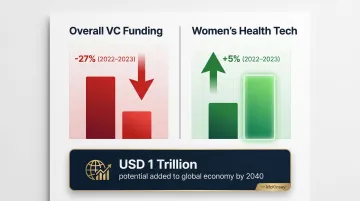
For advertisers, that counter-cycle growth in a down market signals an engaged, underserved audience — not a passing trend.
How Femtech Is Transforming Women's Healthcare
The Femtech Stack: Personalized Health Monitoring
Women are increasingly layering multiple tools to create a personalized health monitoring system that traditional healthcare never provided. This "femtech stack" typically includes:
- Period-tracking apps (Flo, Clue, Natural Cycles)
- Wearable biometric devices (Oura Ring, continuous glucose monitors)
- At-home hormone testing kits
- AI-powered symptom checkers and diagnostic tools
- Telehealth platforms for consultation and prescription services
This approach allows women to collect longitudinal data about their bodies: tracking patterns, identifying anomalies, and surfacing insights that a single doctor's appointment would never capture.
AI Is Improving Diagnostic Accuracy
Artificial intelligence is addressing critical gaps in women's health diagnostics:
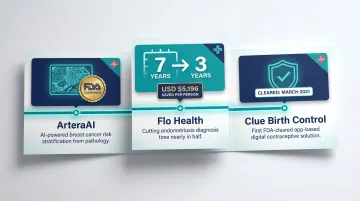
- ArteraAI received FDA clearance for the first digital pathology-based risk stratification tool for breast cancer
- Flo Health's digital symptom checker can reduce endometriosis diagnosis time from approximately 7 years to around 3 years, saving an estimated USD 5,196 per person over 40 years
- Clue received FDA clearance in March 2021 for "Clue Birth Control," the first all-digital contraceptive based on period-tracking data
These tools don't replace healthcare providers — they augment them by flagging potential conditions like PCOS, endometriosis, and thyroid disorders that might otherwise go undiagnosed for years.
Menopause Finally Gets Investment
Menopause care has been historically ignored by both healthcare systems and technology investors — and the investment gap is finally closing. Midi Health raised a USD 50 million Series C in October 2025, reaching a USD 150 million revenue run rate. The telehealth platform delivers insurance-covered midlife care for women experiencing hormone changes, a service that traditional channels largely failed to provide.
The Self-Care to Healthcare Pipeline
Femtech is changing how women show up to medical appointments. Women now arrive with tracked symptom histories, hormone data, and AI-generated insights. A peer-reviewed study found that 1 in 3 Flo users reported improved communication with their healthcare provider, and 58% reported better understanding of cycle-related symptoms.
That dynamic — patients walking in with months of personal health data — is also shifting what employers and insurers are willing to cover.
Insurance and Employer Benefits
Payers are beginning to recognize that supporting women's proactive health management reduces downstream healthcare costs:
- Maven Clinic partnered with Amazon to offer free virtual family-building care to employees across 50 countries
- Maven has raised USD 300 million and now manages 15 million lives
- Progyny (Nasdaq: PGNY) works with Fortune 500 companies on fertility benefit evaluation
- Carrot Fertility offers employees up to USD 10,000 in financial support for family-forming expenses
For advertisers, this B2B infrastructure opens direct access to health insurance, financial services, and HR benefits decision-makers through employer benefit channels.
The Remaining Challenges
Despite rapid growth, femtech faces unresolved issues:
- Data privacy concerns: The 2021 FTC settlement with Flo Health over unauthorized data sharing and the USD 56 million class action settlement in 2025 highlight ongoing privacy risks
- Continued research gaps: Women remain underrepresented in clinical research, limiting femtech accuracy
- Affordability barriers: Not all women can access premium tools, creating equity gaps
Brands that position around privacy transparency, clinical credibility, or accessible pricing will find less competition — and more trust — in a market that's still earning it.
The Femtech Audience: Who They Are and What They Buy
Demographic Profile
L.E.K. Consulting surveyed 590 U.S. women's health consumers and identified key demographics:
- 46% aged 25-34 (largest segment)
- 21% aged 35-44
- 35% earn USD 50,000-100,000 annually
- 13% earn over USD 100,000 annually
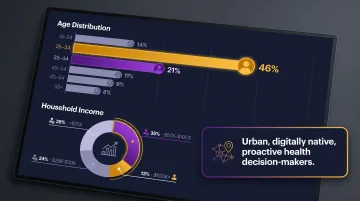
Femtech users skew toward urban, digitally native, and economically active women who are proactive about health decisions. They're concentrated in metropolitan areas like New York, Los Angeles, London, and Dubai.
Purchasing Behavior and Spending Power
Femtech users invest in multiple premium health products simultaneously, including:
- Apps and digital health platforms
- Wearables and monitoring devices
- Supplements and wellness products
- Telehealth subscriptions
Women employed in the U.S. pay USD 15.4 billion more in annual out-of-pocket healthcare expenses than employed men, excluding premium costs. The spending is backed by both financial capacity and clear motivation.
Decision-Making Influence
Women make approximately 80% of household healthcare decisions, and femtech users tend to be the primary healthcare decision-maker for themselves and often their families. This makes them a high-intent, high-spend audience for:
- Health and wellness brands
- Insurance providers
- Financial services targeting women
- Lifestyle and personal care companies
Media Habits and Trust Signals
Understanding how this audience spends matters less than understanding how they decide. The L.E.K. survey found that 198 of 414 respondents identified "improved education and information" as their top unmet need — the single most cited gap. This audience actively seeks educational content, not passive entertainment.
Femtech users are skeptical of generic or patronizing advertising. They respond to brands that:
- Demonstrate genuine understanding of women's health
- Use accurate clinical language
- Appear in credible editorial contexts
- Respect their intelligence and agency
What This Means for Advertisers
The Opportunity Is Not a Niche
The femtech audience is large, financially active, and still largely underserved by most mainstream advertising strategies, creating an opportunity for brands that position themselves thoughtfully now to build long-term brand loyalty.
Most Relevant Brand Categories
Several brand categories align naturally with the femtech conversation:
- Health and wellness — supplements, telehealth platforms, and diagnostics
- Insurance providers looking to speak directly to women's coverage decisions
- Financial services brands targeting women's wealth and income planning
- Lifestyle and personal care companies with health-adjacent positioning
- Employers building women's health benefits programs
The Intent Advantage
Femtech users are actively researching, tracking, and making decisions about their health. They're in a high-intent mindset when consuming femtech content, which translates to significantly better advertising response rates compared to passive scrolling environments.
House of Summary's audience includes affluent, professional women aged 25–55 across the USA, UK, and UAE—exactly the demographic that makes up the femtech user base. That engagement quality translates directly to advertiser results. Faik Serkan Ergun, CEO of BSH Hausgeräte, noted that campaigns placed in Dubai Summary achieved click-through rates 4x higher than Google AdWords — a reflection of what happens when brand messages reach focused readers in a distraction-free inbox environment.
The Creative Approach
Advertising in the femtech space must reflect empowerment, not condescension. Avoid generic "pink-washing" or problem-framing that reduces women to their symptoms. Effective femtech advertising acknowledges women as informed agents making active choices about their own bodies.
The most effective approach avoids manufactured urgency and pathologizing normal health experiences. Aim for a tone that is informative, respectful, and action-oriented — one that meets women where they already are in their decision-making.
The Brand Trust Dividend
Brands that advertise within trusted editorial environments inherit some of that trust by association. When readers already rely on a publication for accurate health information, they extend greater openness to brands appearing alongside it — reducing skepticism and shortening the path to conversion.
Navigating Sensitivities in Femtech Advertising
Data Privacy Is a First-Order Concern
Femtech products handle intimate health data. Users are acutely aware of how that data could be misused, particularly after the Supreme Court's 2022 Dobbs decision raised concerns about period-tracking data being weaponized under restrictive abortion laws.
Advertisers who appear in femtech contexts should ensure their own data practices are transparent and compliant. Under GDPR, menstrual, fertility, and sexual-health data is classified as "special category data" requiring explicit consent and strict transparency obligations.
Avoid Exploitative Messaging
Femtech users have self-selected into health awareness. Messaging that amplifies fear, manufactures urgency, or pathologizes normal health experiences will generate distrust. Messaging that works here tends to be informational, empowering, and grounded — not alarmist.
Regulatory Considerations
Fertility, reproductive health, and diagnostic categories carry direct regulatory implications for advertising claims. Before planning campaigns in these areas, review the relevant standards for your market:
- US: FDA guidelines on health device and wellness product advertising
- UK: MHRA standards for medical device and health-related claims
- EU: MDR and AI Act provisions covering digital health tools and automated health recommendations
Choosing the Right Channels to Reach Femtech Audiences
Why Context Matters
Femtech audiences are high-trust, high-attention readers. They want accurate, credible health information, and they're more likely to engage with advertising that appears alongside editorial content they already trust.
This makes context-first channels like newsletters and specialist publications more effective than display or social media advertising.
The Limitations of Social and Programmatic
84% of women's health businesses report ad rejections on Meta, and 95% experience some form of censorship across major platforms. Clinical terms like "menopause," "vagina," "pelvic floor," and "endometriosis" are frequently flagged as sexual or obscene by automated content classifiers.
Named companies affected include:
- Wisp (women's telehealth): Spent months fighting for approval of a Times Square billboard using correct clinical terminology
- Winx Health: Forced to use euphemisms to avoid automated filters; pivoted to retail strategy with 6,000 Walgreens stores
- Evvy (vaginal microbiome testing): Experiences flagging of phrases like "vaginal health"
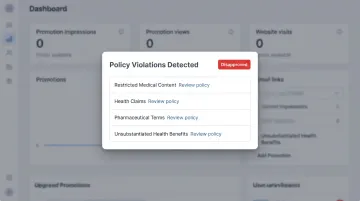
Algorithm-driven platforms create visibility risk for health brands, while femtech users are especially likely to distrust ads in surveillance-driven environments.
Ad Blockers Hit the Target Demographic Hardest
52% of users earning over USD 100,000 and 47% of postgraduate-educated users run ad blockers. Display advertising underperforms for the exact demographic femtech advertisers seek.
Newsletter Advertising: The High-Attention Alternative
For brands targeting informed, health-engaged professional women, newsletter advertising offers:
- Reaches readers with no competing content and no infinite scroll
- Bypasses ad-blocking software entirely — email cannot be blocked
- Appears within content the reader actively chose to receive
- Delivers open rates of roughly 41% for healthcare campaigns, against social media organic engagement below 1%
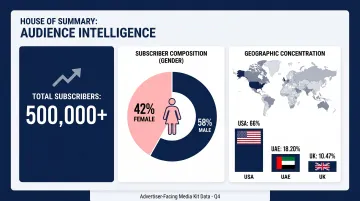
House of Summary's network reaches over 500,000 subscribers, with 254,866+ emails opened daily. The audience is 42% female, heavily concentrated among decision-makers and executives in the USA (66%), UK (10.47%), and UAE (18.20%)—exactly the professionally active, affluent women who make up the femtech user base.
Native ads, sponsored features, and email sponsorships sit within the editorial flow of newsletters including Presidential Summary, Geopolitical Summary, Dubai Summary, and London Summary — reaching readers when attention is already focused and trust is already established.
Contact sales@houseofsummary.com to explore advertising opportunities.
Frequently Asked Questions
What is femtech, and why is it growing so quickly?
Femtech refers to technology designed to address women's specific health needs, including period tracking, fertility monitoring, menopause care, and diagnostic tools. Its rapid growth stems from decades of underinvestment in women's healthcare combined with advances in consumer technology and AI that finally make personalized health tracking accessible.
Who is the typical femtech user, and why do advertisers care about them?
Femtech users are educated, health-active, digitally engaged women aged 25–55 with significant purchasing power. They make approximately 80% of household healthcare decisions and pay USD 15.4 billion more annually in out-of-pocket healthcare costs than men. That combination of purchasing authority and health intent makes them a high-value advertising audience.
What types of brands are best positioned to advertise in the femtech space?
The strongest fits include health and wellness brands (supplements, telehealth, diagnostics), insurance providers, financial services targeting women, lifestyle and personal care companies, and employers building women's health benefits programs. Each can align authentically with femtech users' proactive health values and purchasing authority.
Are there advertising restrictions or sensitivities specific to femtech?
Yes. Data privacy is a hard requirement — GDPR classifies menstrual data as "special category data" — and 84% of women's health businesses report ad rejections on Meta due to automated content filters. Advertisers should also avoid fear-based or condescending messaging and stay current with regulatory standards across the US, UK, and EU.
How big is the global femtech market expected to get?
The global femtech market was valued at USD 39.29 billion in 2024 and is projected to reach USD 97.25 billion by 2030, growing at a CAGR of 16.37%, according to Grand View Research.
What advertising channels perform best for reaching femtech audiences?
Trust-based, context-rich environments — particularly newsletters and specialist editorial publications — outperform interruptive formats. Email delivers brand messages without ad blockers or algorithm interference, and healthcare email campaigns achieve open rates of approximately 41%, far exceeding social media benchmarks.