Sponsored content is growing fast. U.S. native display ad spending is forecast to reach $147.98B in 2026, up 13.1% — and with that growth comes fiercer competition for premium publisher slots. Newsletter publishers, in particular, have become some of the most sought-after inventory because content lands directly in the inbox, bypassing ad blockers and algorithm filters entirely.
This guide covers what to prepare, how to structure the pitch, what publishers evaluate, and the mistakes that get brands blacklisted before the conversation even starts.
Key Takeaways
- Research publisher audience fit before writing a single word of your pitch
- Lead with the reader's benefit, not your brand story
- Include a specific content concept — not just a category interest
- Pitch 6–8 weeks before your intended campaign window, not days
- Prioritize newsletter placements: they reach subscribers directly in the inbox, bypassing ad blockers and algorithm filters entirely
How to Pitch Sponsored Content to Publishers: Step-by-Step
Step 1: Identify the Right Publisher
Research is what separates a professional pitch from a template blast. Before you reach out, confirm the publisher deserves a place on your list.
What to look for:
- Audience demographics that overlap with your target customer (profession, geography, seniority)
- Engagement signals: open rates, click rates, subscriber growth trajectory
- Editorial tone that aligns with your brand's communication style
- Content verticals that connect naturally to your product or service
Don't evaluate reach alone. A publisher with 50,000 highly engaged subscribers in a specific niche often outperforms one with 500,000 passive readers. Newsletter open rates among premium publishers run between 40% and over 60%, compared to broad averages of 21–35% — a gap that directly affects your campaign returns.
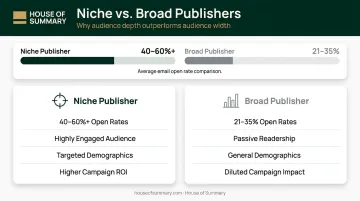
House of Summary illustrates this well. Its network — Presidential Summary, Geopolitical Summary, Dubai Summary, and London Summary — reaches 500,000+ subscribers with 254,866+ emails opened daily. The audience skews toward C-suite executives, founders, and policy professionals across the US, UK, and UAE. For brands targeting decision-makers, that professional and geographic concentration matters more than raw list size.
Step 2: Find the Right Contact and Do Pre-Pitch Groundwork
Sending a sponsorship inquiry to a generic contact@ address is the fastest way to ensure it never gets read. Find the correct decision-maker first.
Where to look:
- The publisher's media kit or advertising page
- An "Advertise with us" or "Partnerships" section
- LinkedIn, searching the publication name + "Partnerships," "Sales," or "Advertising Manager"
For House of Summary specifically, the correct contact for advertising and sponsorship discussions is sales@houseofsummary.com, with phone/WhatsApp available at +1 218 500 0099. Their analytics pages (accessible at houseofsummary.com/analytics) contain audience demographics, engagement data, and contact details.
Once you have the right contact, do this groundwork before sending anything:
- Subscribe to the publication and read at least 3–5 recent issues
- Note the editorial tone, recurring themes, and existing sponsor categories
- Reference a specific issue in your pitch — this signals genuine interest, not bulk outreach
Step 3: Build Your Pitch Email
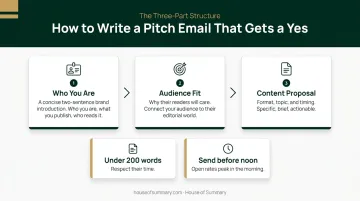
Keep it under 200 words. 69% of publishers and editors prefer pitches under 200 words, and the same percentage say a worthwhile pitch is clearly tailored — not generic.
Structure your email to answer three questions immediately:
- Who you are and what your brand does (two sentences maximum)
- Why this publisher's specific audience is the right fit for your message
- What kind of sponsored content you're proposing — format, topic angle, timing
Subject line: Be specific. Include your brand name, the publication name, and a hook. "Sponsorship Inquiry" is ignored. "Acme Fintech x London Summary — Q3 Sponsored Content Proposal" gets opened.
Call to action: Request a media kit, a brief call, or an introduction to their advertising team. One ask only. Don't try to resolve pricing, deliverables, or creative details in the first email.
78% of publishers and editors prefer pitches that arrive before noon — timing does influence response rates, so schedule accordingly.
Step 4: Attach Supporting Materials — But Keep It Lean
The first email is not the place for a 20-slide deck. A concise one-page brand overview is enough — it demonstrates budget seriousness and confirms brand fit without burying the contact in detail.
Include:
- Campaign objective (brand awareness vs. direct response)
- Target audience profile
- Content direction or angle you have in mind
- A note that case studies, campaign results, or creative examples are available upon request
Avoid:
- Full creative briefs in the first contact
- Rate negotiation attempts
- Lengthy company history or credential lists
Step 5: Follow Up Professionally
Wait 5–7 business days before following up. Publisher inboxes move fast. A prompt, polite follow-up is expected — aggressive or repeated follow-ups are not.
In your follow-up, briefly restate your core value proposition. Then ask two things: whether there's a better point of contact, and whether there's a preferred timeline. Keeping it that focused makes it easy to say yes.
What Publishers Actually Look For in a Sponsor Pitch
Publishers aren't selling ad space — they're protecting reader trust. Every sponsorship decision is weighed against editorial credibility, not just revenue.
Audience Fit
The brand's product or service must genuinely interest the readership. A luxury real estate developer pitching a wellness newsletter creates friction. A premium financial services brand pitching a network of executive-focused newsletters is a natural fit. Research the reader profile before pitching — audience mismatch is the single fastest rejection trigger.
A Specific Content Concept
"We'd love to sponsor some content" is not a pitch. "We'd like to sponsor an explainer on geopolitical risk and portfolio strategy for your executive readers" is. Publishers respond to brands that understand their editorial voice and arrive with a concept, not just a category.
For brands considering House of Summary, every newsletter is built on clarity, accuracy, and genuine respect for reader intelligence — human-written, fact-checked, no sensationalism. Sponsored content proposals should reflect that same tone.
Brand Credibility
Publishers evaluate whether a brand is professionally managed and editorially credible. An incomplete pitch signals low readiness — specifically, watch for these gaps:
- No brand context or company overview
- No prior content examples or creative samples
- No clear campaign objective
Flexibility and Disclosure Acceptance
Publishers need sponsors who can adapt to their format and labeling requirements. All sponsored content in reputable publications will be clearly disclosed as paid or partner content — this is FTC-required and non-negotiable. Brands that expect editorial camouflage will be turned away. The best outcomes come from working closely with the publisher's editorial team within their established guidelines.
What You Need Before You Pitch
Preparation determines whether your pitch gets a reply or gets deleted. Most failed pitches aren't rejected for budget reasons — they're ignored because the brand arrived underprepared.
Brand Readiness Checklist
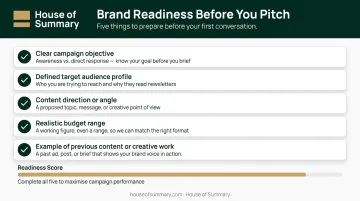
Before contacting any publisher, confirm you have:
- A clear campaign objective (brand awareness vs. direct response)
- A defined target audience profile
- A content direction or angle (even a rough one)
- A realistic budget range — publishers will ask in the first conversation
- At least one example of previous content or creative work
Publisher Research Requirements
Review at least 3–5 recent issues from the publication. Note:
- Editorial tone and vocabulary
- Recurring themes and content formats
- Types of brands previously featured as sponsors
- Audience signals visible in the content (who is the writing aimed at?)
This research directly informs how you personalize the pitch. Without it, you're sending a template — and publishers identify templates immediately.
Compliance and Disclosure Awareness
Disclosure isn't optional — it's the baseline. The IAB's Native Advertising Playbook requires clear, prominent labeling so readers can distinguish paid content from editorial.
Two things to confirm before your first conversation:
- Disclosure acceptance: All reputable publishers label sponsored content as paid. This standard isn't negotiable.
- Compliance alignment: Knowing the rules upfront prevents friction and signals you're a serious partner.
Common Mistakes Brands Make When Pitching Publishers
Sending a Generic, Copy-Paste Pitch
50% of publishers disregard pitches that appear to be mass emails, and 86% reject pitches that aren't relevant to their content area. Publishers spot template emails immediately. They signal low intent — and get deleted.
Leading with the Brand Story Instead of the Reader Benefit
Write the pitch from the audience's perspective: "here's why your readers would value this content" — not "here's why our brand is great." Publishers care about what the sponsorship delivers to their readership, not your company history.
Introducing Pricing in the First Email
Volunteering a lowball budget or demanding specific rates before fit is established ends the conversation before it starts. Use the first email to open the relationship; scope and budget belong in the second conversation.
Poor Timing and Rushed Requests
Most newsletter publishers need creative materials 5 to 12+ business days before the send date — and the alignment process happens well before that. Pitching days before your intended launch signals disorganization, and publishers will deprioritize it.
Using Marketing-Brochure Language
55% of editors cite marketing-brochure style language as a reason to dismiss outreach. Write like a professional communicating a genuine opportunity, not a press release announcing a product launch.
Frequently Asked Questions
How far in advance should you pitch sponsored content to a publisher?
Plan to pitch 6–8 weeks before your intended campaign window. Most newsletter publishers require creative materials 5–12 business days before a send date, but the sales alignment, contract, and production process happens well before that. Pitching early also improves your chances of securing preferred placement dates.
What should a sponsored content pitch email include?
Five core elements: a specific subject line, a brief brand introduction, the audience fit rationale (why their readers care), a proposed content concept or format, and a single clear call to action — typically a media kit request or brief discovery call.
How do you find the right contact at a publisher to pitch?
Check the publisher's advertising or partnerships page first, then their media kit. Look for titles like Partnerships Director, Sales Lead, or Advertising Manager. For House of Summary, the correct contact is sales@houseofsummary.com — avoid generic contact forms for sponsorship inquiries.
What is the difference between sponsored content and a display ad?
Sponsored content is editorial-style content paid for by a brand and integrated into the publisher's natural format — an article, newsletter segment, or video. Display ads are standalone visual units. Sponsored content drives deeper engagement and, in newsletter form, bypasses ad blockers entirely — a meaningful advantage given that over 45% of U.S. consumers now use ad blockers.
How do publishers decide whether to accept a sponsored content pitch?
Publishers evaluate audience alignment, brand credibility, content concept fit, and whether the brand's values match their editorial standards. Budget is a factor, but rarely the deciding one at the initial stage. A well-researched pitch from a credible brand will progress further than a high-budget pitch with no content concept.
Should you include pricing expectations in your first pitch email?
No. Introducing budget figures before fit is established shifts the conversation to cost before value has been demonstrated. Keep the first pitch focused on relevance and interest. Pricing belongs in the second conversation, once both parties confirm alignment.