Introduction
Luxury car brands have spent decades selling aspiration through glossy television commercials, magazine spreads, and meticulously choreographed auto show presentations. But the marketing playbook that built Ferrari, Porsche, and Mercedes-Benz into global icons has fundamentally changed. Today's battleground isn't product specification: it's cultural relevance. The brands winning this fight aren't just advertising faster engines or finer leather; they're embedding themselves into the cultural conversations that define identity for younger, more diverse audiences.
The core tension is real: how do you honour decades of heritage and prestige while reaching digital-native consumers who discover brands through TikTok, not Top Gear? Luxury automotive marketers are resolving this through content marketing that prioritises narrative over spec sheets.
This article examines three strategic shifts redefining the sector — cultural and celebrity partnerships that expand demographics, cross-industry collaborations that borrow cultural currency, and sports-performance ecosystems that generate year-round content. Each shift carries lessons for any premium brand navigating the same divide.
TLDR:
- Luxury car brands are shifting budgets toward cultural partnerships and digital storytelling to win attention, not just market share
- Collaborations with K-pop stars, fashion creators, and streetwear brands are broadening demographics without diluting exclusivity
- Formula 1 provides a sustained content engine, generating millions of social mentions and organic brand visibility
- Limited-edition co-branded releases create disproportionate media value through manufactured scarcity
- Premium brands across sectors can apply the same identity-led, culture-first content principles
The Content Strategy Shift in Luxury Automotive
Luxury car brands are no longer competing solely on horsepower, craftsmanship, or zero-to-sixty times. They are competing for cultural mindshare. Brands that once relied on aspirational imagery—helicopters, cliffside roads, black-tie events—now need to embed themselves into the everyday cultural conversations of younger, globally dispersed, digitally native consumers.
The shift is quantifiable. U.S. digital video ad spend reached $54 billion in 2023 and is projected to hit $63 billion in 2024, growing nearly 80% faster than total media overall. Connected TV (CTV) alone exceeded $20 billion for the first time. Meanwhile, automotive digital ad spend is projected to grow 10.1% to $24.49 billion, dwarfing traditional channels. The message is clear: audiences have moved, and luxury brands must follow.
Content Marketing Redefined for Luxury
For luxury brands, content marketing means something entirely different from what works for mass-market competitors. The challenge is visibility without dilution—reaching new audiences without alienating core buyers who prize exclusivity. A Porsche or Ferrari can't flood TikTok with discount codes or viral stunts. Instead, they create carefully curated cultural moments that feel aspirational, not accessible.
This requires strategic precision across three fronts:
- Partner with the right cultural figures — not celebrities at scale, but tastemakers whose identity reinforces the brand's own
- Embed into adjacent lifestyle categories — architecture, fashion, travel, and design create context without compromising exclusivity
- Shift the creative brief from "what does this product do?" to "who does this brand say I am?"
Celebrity and Cultural Collaborations That Expand Demographics
Porsche × Jennie (BlackPink): A Case Study in Demographic Transformation
In October 2022, Porsche announced a collaboration with Jennie Kim of the global K-pop group BlackPink. This wasn't a standard endorsement deal. Under Porsche's "Sonderwunsch" (special request) co-creation programme, Jennie designed a fully custom Taycan 4S Cross Turismo featuring bespoke "Jennie Ruby Jane" lettering and a cloud logo. Porsche positioned this as a cultural fusion between automotive engineering and pop culture identity, not a transactional celebrity placement.
The outcome was measurable: for the first time in 2022, Porsche's social media audience shifted to a female-majority demographic during and after the collaboration. This is evidence that the right cultural partnership can genuinely expand a brand's demographic reach, not just amplify existing audiences.
Why K-pop works for luxury:
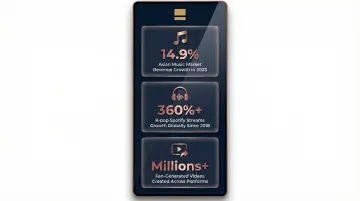
- Asian music market revenues rose 14.9% in 2023, driven by K-pop's "fandom economy"
- K-pop streams on Spotify have grown more than 360% globally since 2018, reaching audiences that traditional luxury media rarely touches
- K-pop fans generate millions of user-created videos and cross-platform conversation — cultural momentum paid advertising cannot replicate
Mercedes-Benz × Wisdom Kaye: Embedding into the Fashion Lifestyle Ecosystem
Mercedes-Benz partnered with Wisdom Kaye, a high-fashion TikTok creator with 14.4 million followers and zero prior automotive content. The collaboration featured vehicles integrated into fashion-led TikTok videos, such as "Choose your car, choose your fit," where Kaye matched outfits to Mercedes models.
Mercedes wasn't targeting car enthusiasts. They were targeting a community that defines itself through curated aesthetic choices — people for whom a vehicle is an extension of personal identity, not transportation.
During the campaign, specific Mercedes models spiked to the top of the brand's own social conversation. The partnership shifted relevance, not just visibility.
Key takeaway: The most effective influencer partnerships work because the brand enters a story the audience already cares about. When that happens, the vehicle stops being a product feature and starts functioning as a cultural signal — one the audience chooses to share.
Cross-Industry Brand Partnerships and the Power of Cultural Currency
BMW × KITH: Bridging Legacy Luxury and Contemporary Street Culture
In October 2020, BMW announced a collaboration with KITH, the New York lifestyle and streetwear brand. The centerpiece was a limited-edition M4 Competition—only 150 units produced worldwide. For the first time, BMW altered its iconic roundel badge, fusing it with the KITH logo. The collaboration also included a 94-piece apparel and accessories collection.
Three things made this move strategically notable:
- BMW chose a culturally adjacent brand with a younger, digitally native audience—not another luxury house or automotive peer
- Scarcity (150 units) created desire and conversation without mass-market dilution
- Conversation spikes reached both male and female audiences, showing that the right cultural partnership transcends traditional demographic lines
All 150 units reportedly sold out within minutes.
The Broader Strategic Principle
Established luxury brands can access the cultural capital of emerging lifestyle brands without sacrificing prestige — provided there is genuine aesthetic alignment, not just commercial convenience.
The data backs the approach. Research shows that limited-time co-branded products stimulate urgency and amplify consumer experience, and influential creators in luxury can generate up to 45 times more earned media value than brand-owned accounts.
That distinction matters when comparing partnership types:
| Approach | What It Signals |
|---|---|
| Celebrity endorsement | Paid association with a known face |
| Brand partnership | Shared values and taste-making credibility |
A culturally credible partner says something about where a brand genuinely belongs — not just who it can afford to hire.
Sports, Racing, and Performance as Sustained Content Engines
Ferrari × Lewis Hamilton: When a Signing Becomes a Content Event
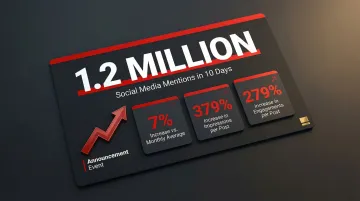
On 1 February 2024, Scuderia Ferrari announced that seven-time Formula 1 world champion Lewis Hamilton would join the team in 2025. This wasn't a one-off campaign—it became a sustained media moment. In the 10 days surrounding the announcement, Ferrari was mentioned in 1.2 million social media posts—a 7% increase versus the average for an entire month in 2024 and equivalent to more than seven months' worth of mentions compared to the previous year. Ferrari's social channels saw a 379% increase in impressions and a 279% increase in engagements per post.
Every subsequent conversation spike around Ferrari included both the brand and Hamilton as co-referenced topics. Athlete partnerships in performance sports operate differently from episodic celebrity deals: they generate rolling, season-long content opportunities tied to live competition and genuine emotional stakes.
Audi × Formula One 2026 Entry
Audi officially announced its entry into Formula 1 in August 2022, selecting the Swiss Sauber team as its factory partner for the 2026 season. The announcement itself generated immediate social media impact—and conversations continued for years, fuelled by anticipation.
F1's strategic value as a content platform:
- Global fanbase reached 826.5 million in 2024, an increase of nearly 90 million fans year-over-year
- Live attendance exceeded 6.5 million in 2024
- F1 sponsorship spend is projected to hit $2.9 billion in 2025, a 10% year-over-year increase
F1 gives luxury automotive brands a global stage where engineering heritage and brand identity align with an audience already invested in automotive performance. For brands with a factory team, the race calendar replaces the campaign calendar—each season delivering a ready-made content structure without starting from scratch.
Visual Content and Digital-First Storytelling Tactics
Luxury car brands are using short-form video—TikTok, Instagram Reels, YouTube Shorts—to shape how their aesthetic identity lands in fast-consumption formats. Content prioritises emotion over specification: cinematic launch clips, feature spotlights, and creator-integrated storytelling that feels aspirational rather than instructional.
Immersive and Interactive Digital Content
The exclusivity of a physical showroom is increasingly being replicated online through:
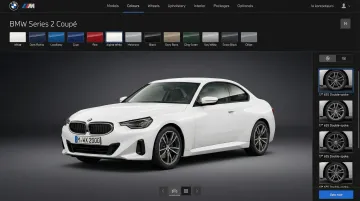
- 360-degree virtual tours and configurable online showrooms
- Augmented reality (AR) previews that allow customers to visualise life-size, interactive 3D models in their own environment
- Dynamic creative ads based on configurator data
Audi used data from its online car configurator to serve dynamic creative ads programmatically, achieving a conversion rate four times higher than traditional methods. Dynamic ads featuring the visitor's specifically configured car delivered more than double the efficiency of standard ads.
User-Generated Content (UGC) in Luxury Automotive
Owner-created content — posted through brand hashtags and community platforms — generates authentic social proof without diluting the aspirational narrative. UGC works in luxury precisely because only owners can create it. That scarcity is the point.
What Other Premium Brands Can Learn From This
Identity, Not Product
Luxury car brands market identity, not products. Their content consistently answers "who does this brand say I am?" rather than "what does this product do?" That's the core lesson any premium brand can take. Whether you sell watches, hotels, or financial services, your content must make the buyer feel aspirational rather than transactional.
The Scarcity-Plus-Culture Formula
Whether it's 150 BMW × KITH vehicles or a K-pop collaboration, luxury brands use limited-edition moments as cultural conversation catalysts that generate media coverage, social conversation, and audience expansion far beyond the immediate transaction. Premium brands in any category can apply this principle: create scarcity, align with cultural credibility, and let the conversation do the marketing.
High-Trust, Algorithm-Free Channels
As luxury brands become more intentional about where their message appears, the inbox has become a strategic content destination. Newsletter placements with engaged, self-selected audiences—such as those in the House of Summary network—offer luxury advertisers direct access to high-intent readers without competing in fragmented, algorithm-driven feeds where attention is split across dozens of competing messages.
Ads placed in trusted editorial contexts offer three distinct advantages:
- Reach readers who actively opted in and chose to pay attention
- Bypass ad blockers entirely — inbox placements aren't affected
- Appear without visual clutter or competing brand noise alongside them
Frequently Asked Questions
What are the top 10 luxury car brands?
The most widely recognised luxury automotive brands include Ferrari, Porsche, BMW, Mercedes-Benz, Audi, Bentley, Rolls-Royce, Lamborghini, Maserati, and Lexus. Rankings vary by market and criteria such as price, heritage, brand perception, and performance positioning.
How are luxury car brands using influencer marketing differently from mass-market brands?
Luxury brands prioritise narrative embedding and cultural alignment over reach-based metrics. They choose creators whose identity and audience align with the brand's positioning — not those with the highest follower counts. The aim is to become part of a story the audience already values, not to interrupt it.
Why are luxury car brands partnering with streetwear and fashion brands?
These cross-industry collaborations allow legacy automotive brands to access younger, culturally engaged audiences and contemporary cultural relevance without compromising prestige. Partnerships signal shared values and cultural influence, not just commercial convenience.
How does Formula One support luxury automotive content marketing?
F1 provides a year-round, globally watched platform where performance, engineering, and brand identity intersect. It generates organic media coverage and social conversation that functions as a sustained content engine, removing the need for constant new campaign development.
What can non-automotive luxury brands learn from these content marketing strategies?
The transferable principle is identity-led content. Strategic cultural partnerships, limited-edition collaborations, and scarcity-driven storytelling all apply to any premium brand seeking demographic expansion without diluting exclusivity. The consistent thread is content that reinforces who the customer becomes by choosing the brand.
How do luxury car brands measure the success of their content marketing campaigns?
Success is measured through social conversation volume, sentiment shifts, demographic audience changes, share of earned media, and engagement rates—not just direct conversion. Luxury content marketing operates on a longer brand-building timeline, prioritising cultural relevance and mindshare over immediate transactions.